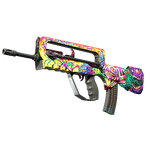
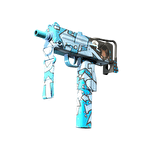
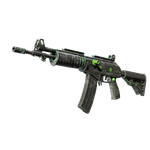
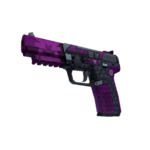
Start with a three-column checklist
Use finish, wear and pattern as separate columns in your shortlist. Finish tells you the named design. Exterior or verified float supplies wear evidence. A pattern claim needs its own item-specific information.
Do not fill the pattern column with a float number or the wear column with a seller’s nickname for the design. Those shortcuts make it difficult to explain why two listings with similar names have different asking prices.
What the rendering system tells us
Valve’s workshop documentation describes variations in pattern offsets and rotations, alongside wear. This explains why a general finish image does not establish every detail of one copy.
The practical step is inspection, not a guessed pattern ID. Compare the exact area highlighted by the seller. If the advertised feature cannot be checked in the available view, label it unverified and avoid using it as the reason for a premium.
Separate appearance from pricing evidence
A seller can ask more for a visual feature without proving that other buyers consistently pay that amount. Compare like-for-like listings with clear item identities and current timestamps. Keep an asking price separate from a completed-sale claim.
You do not need a premium pattern to build an enjoyable inventory. If you simply like the design, set a normal cosmetic budget and compare the ordinary variants first. This keeps a visual preference from turning into an unsupported investment assumption.
Recognise the limits of a general catalogue
CaseCS2 does not currently expose verified pattern IDs or a collection of certified premium-pattern listings. Its directory helps with names and variants, not authenticated pattern valuation.
Use the float guide and price checklist alongside your item inspection. If the important attribute is absent, keep the item on a research list rather than treating the missing field as confirmation.