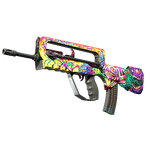
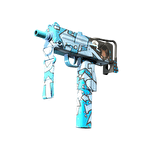
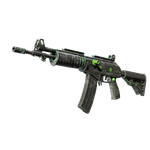
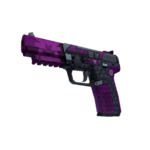
Define the specific decision
Distinguish intentional wear comparisons from accidental repetition of one entry in the final set.
For candidates relevant to “Remove accidental wear-variant duplicates”, use the skin finder. Keep this task separate from your broader inventory plan.
Read the worked example
The same finish has Field-Tested and Minimal Wear candidates; both remain in the comparison but only the chosen variant counts towards the final total.
A complete name must distinguish finish from wear. Removing the wear label to shorten a caption is risky: two meaningful candidates start looking like duplicates while a real duplicate may remain unnoticed. Create one choice group with two child rows for a wear pair. Before selection, neither enters the assigned stage; after selection, only one receives included status. Retain the other as an alternative if its distinction matters. Compare images at the same scale and review observed conditions independently for each row. Never copy a value or date between wear variants merely because the rest of the name matches. Grouping supports comparison rather than merging different records.
| Entry | Interpretation |
|---|---|
| Finish group | one selection task |
| Field-Tested | an independent candidate |
| Minimal Wear | an alternative, not an extra acquisition |
Use this task checklist
- Add wear to the complete name.
- Connect alternatives using one group identifier.
- Include only the chosen variant in the total.
Recognise the failure condition
Adding both alternatives to the total when only one item is wanted.
Wear alternatives remain visible during comparison while the final set avoids accidental duplicates.
Apply the additional check
Reconcile choice groups and included rows at the end. With three finish groups, this plan contains at most one assigned row from each group. Additional copies require a separate explicit task rather than emerging from an alternatives list. Keep group names during export so two wear conditions are not mistaken for independent entries again. A different-wear candidate can remain a useful fallback, but its observations and date must stay separate from those of the selected row.