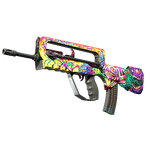
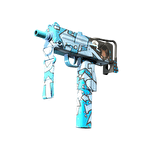
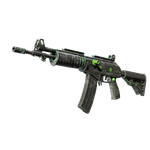
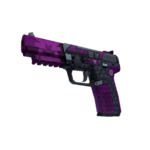
Keep the weapon identity explicit
Search for M4A1-S and verify the full item name. A broad “M4 skins” result can mix the two weapons and make a visually appealing suggestion unsuitable for the slot you intended to fill.
Use M4A1-S directory entries for discovery. If a desired design is absent, do not substitute an M4A4 entry merely because the name or colour is similar. Mark that candidate outside the shortlist.
Allocate a realistic slot budget
Give this slot an explicit maximum and currency. In a multi-weapon inventory, compare that allocation with the weapons you expect to use most. Set aside any costs disclosed before an offer is confirmed.
A higher budget is not a guarantee of a design you prefer. Start with a few appealing finishes rather than sorting from the most expensive downward. This keeps the research connected to your intended use.
Check exterior and image evidence
Read the exterior as part of the exact variant. Where possible, inspect the actual item’s receiver, magazine and other visible parts. A general catalogue thumbnail does not establish the condition of one offered copy.
Consult wear labels and pattern versus float. The directory does not verify every instance’s float or pattern ID, and a price-derived display class is not proof of official rarity.
Use a shortlist with a stopping rule
For each candidate, record its complete name, evidence quality, total cost and observation date. Stop when you find an acceptable candidate that fits those requirements; an unavailable historical price should not keep winning the comparison.
Use the skin finder to narrow discovery and the inventory budget workflow to review the whole set. These are planning aids, not guarantees of current supplier stock or future resale value.