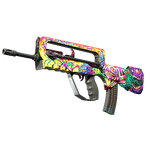
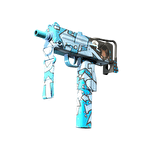
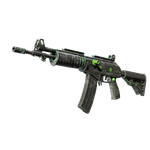
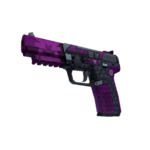
Define the AWP slot in your inventory
Decide how much of your cosmetic budget belongs to the AWP. If you use it occasionally, your preferred allocation may differ from someone who uses it frequently. There is no universal spending percentage.
Write a maximum amount and the currency before opening listings. The amount should cover any stated charges, not just a headline number. For a full loadout, reserve budgets for your other important slots first.
Compare a few designs carefully
Use AWP directory entries to discover exact names and exterior variants. Look at the main body and scope area in an inspect view where possible. Distinguish a representative finish image from a picture of the exact offered copy.
Record why you like each design. A personal visual reason is more useful than an unsupported claim that the finish is a bargain. Keep the shortlist small enough that you can check every candidate properly.
Do not compare unlike listings
A different exterior, special prefix or item-specific attribute can change what you are comparing. Read the full name rather than the first two words. Use the wear guide when exterior labels are unfamiliar.
If a listing advertises a precise float, ask for evidence tied to that item. The CaseCS2 directory currently cannot certify float. Its saved price observations also do not establish the latest market-wide minimum.
Keep a fallback that stays within budget
Choose a second acceptable design before buying research turns into endless browsing. If the first offer vanishes, check the fallback’s current variant and total cost. Do not carry an old price from one supplier into a different listing.
The price guide gives a reusable comparison table. For a matching set, continue with colour-theme planning, where your design preference stays separate from claims about rarity or profit.