Define the specific decision
Limit the change to one entry and use the neighbouring items as the existing visual context.
For candidates relevant to “Replace one skin without rebuilding the inventory”, use the skin finder. Keep this task separate from your broader inventory plan.
Read the worked example
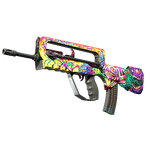
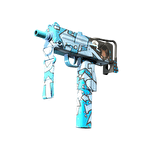
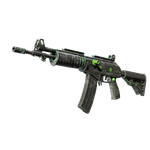
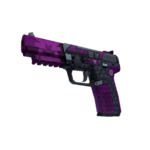
In a dark set, only a pistol changes: a bright red candidate is compared with a quieter burgundy option while the other cards remain identical.
A single replacement carries a hidden risk: after choosing a new pistol, the old rifle suddenly feels incompatible. That does not mean the rifle must also change. Return to the original objective and check whether the new choice solves it. In the example, burgundy may retain restrained contrast while bright red changes the hierarchy of attention. Label those differences without calling them universally right or wrong. Save the original board so memory does not substitute for comparison. If neither candidate fits without further replacements, retain the current item or define a new, independent task for a broader refresh. The one-entry boundary should remain visible in the retained-item list.
| Entry | Interpretation |
|---|---|
| Current option | the comparison baseline |
| Burgundy candidate | a moderate contrast change |
| Red candidate | a new centre of attention |
Use this task checklist
- Lock the list of retained items.
- Compare the replacement beside two neighbouring entries.
- State what the change improves.
Recognise the failure condition
Expanding a single replacement into a complete refresh without a new reason.
One change has been checked against the current set while the other entries remain intact.
Apply the additional check
The retained-item list is part of a single replacement's result. Record the new pistol and the two neighbouring entries used to test it. Any later candidate should face that same pair. Do not transfer a successful observation about burgundy to every red image; colour size and placement may differ. Name the decision as a replacement of one specific entry rather than a complete style refresh. If a broader change becomes necessary, preserve the single-entry version as a separate scenario.