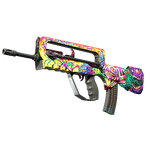
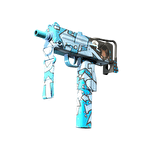
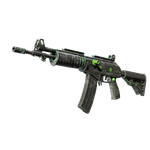
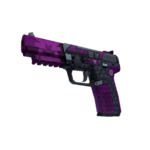
Define the specific decision
Compare one expressive item with several small changes according to the personal value of the outcome.
For candidates relevant to “Choose between one skin and a complete set refresh”, use the skin finder. Keep this task separate from your broader inventory plan.
Read the worked example
With a fictional 100-unit limit, scenario A uses one 70-unit accent and scenario B uses four 15-unit changes; both keep the remaining allowance.
Scenario A leaves 30 fictional units and scenario B leaves 40. That difference does not establish which set looks better. Compare the effects: one prominent centre of attention versus a distributed refresh across four entries. Record the dissatisfaction solved by each replacement. If four changes are included merely to reach four, scenario B lacks a task. If the single accent conflicts with its surroundings, scenario A may require hidden further decisions. Show the boards side by side and temporarily hide the amounts to separate visual judgement from allocation. Restore the numbers afterwards and check whether the preferred scenario remains acceptable without assigning the entire remainder.
| Entry | Interpretation |
|---|---|
| Scenario A | 70 allocated, 30 free |
| Scenario B | 60 allocated, 40 free |
| Comparison | effect of changes rather than card count |
Use this task checklist
- Write down the intended effect of each scenario.
- Identify the entries that stay unchanged.
- Compare both plans on one visual sheet.
Recognise the failure condition
Judging the alternatives solely by the number of new items.
The selected scenario solves your task instead of merely filling more rows.
Apply the additional check
Keep the same overall board size when comparing one accent with four changes. Do not enlarge the single item to occupy an entire row, which would favour scenario A from the start. Show B's four entries alongside those that remain unchanged. Write one expected improvement for each rather than general advantages of a new collection. If both appeal, save them separately. Combining their contents into a third set without a new limit silently replaces the original task.