Define the specific decision
Treat heavy weapons as an optional part of the collection with a clear limit on planning attention.
For candidates relevant to “Plan heavy-weapon skins without overloading the set”, use the skin finder. Keep this task separate from your broader inventory plan.
Read the worked example
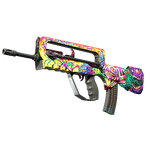
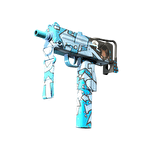
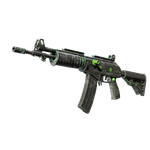
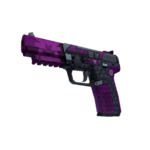
For two entries in a fictional plan, the first is marked keep and the second compare later; other items already establish the visual direction.
An optional group needs a clear boundary, otherwise a small addition becomes a separate lengthy project. For two entries, a status and one condition capable of changing the decision are sufficient. For example, the retained option already fits the dark foundation while the deferred entry is reconsidered only if that foundation changes. Do not schedule another search when the condition has not occurred. Keep heavy-weapon rows in a fixed order so status changes are visible rather than being disguised by shuffled cards. A deferred candidate does not enter the next stage's total. Promote it later with a reason, not simply because other categories have run out.
| Entry | Interpretation |
|---|---|
| First entry | retain the dark foundation |
| Second entry | compare after a palette change |
| Next stage | exclude the deferred row |
Use this task checklist
- Check whether existing options satisfy you.
- Define one criterion for a future comparison.
- Exclude deferred entries from the next stage.
Recognise the failure condition
Spending extensive effort on a group that is outside the current task.
Heavy weapons are acknowledged without preventing completion of the main changes.
Apply the additional check
Give an optional group an attention limit: one saved candidate and one question about it. For example, does this entry need additional contrast after the rifle changes? If the rifle has not changed, no new action follows. A deferred table status should exclude the row from the assigned stage without deleting its history. This separates the complete collection from the immediate plan. When both current entries satisfy the owner, the completed task contains two keep statuses rather than new images.